
Reimagining Les Rouges: Tactical Adjustments for Enhanced Performance
As Canada prepares for the FIFA World Cup 2026, the need for tactical refinement has never been more pressing. Les Rouges have shown glimpses of potential in recent matches, but inconsistencies have marred their performances. A tactical analysis of their recent form reveals both strengths and areas that require immediate attention, providing a roadmap for improvements that could enhance their competitive edge.
Defensive Solidity and Structure
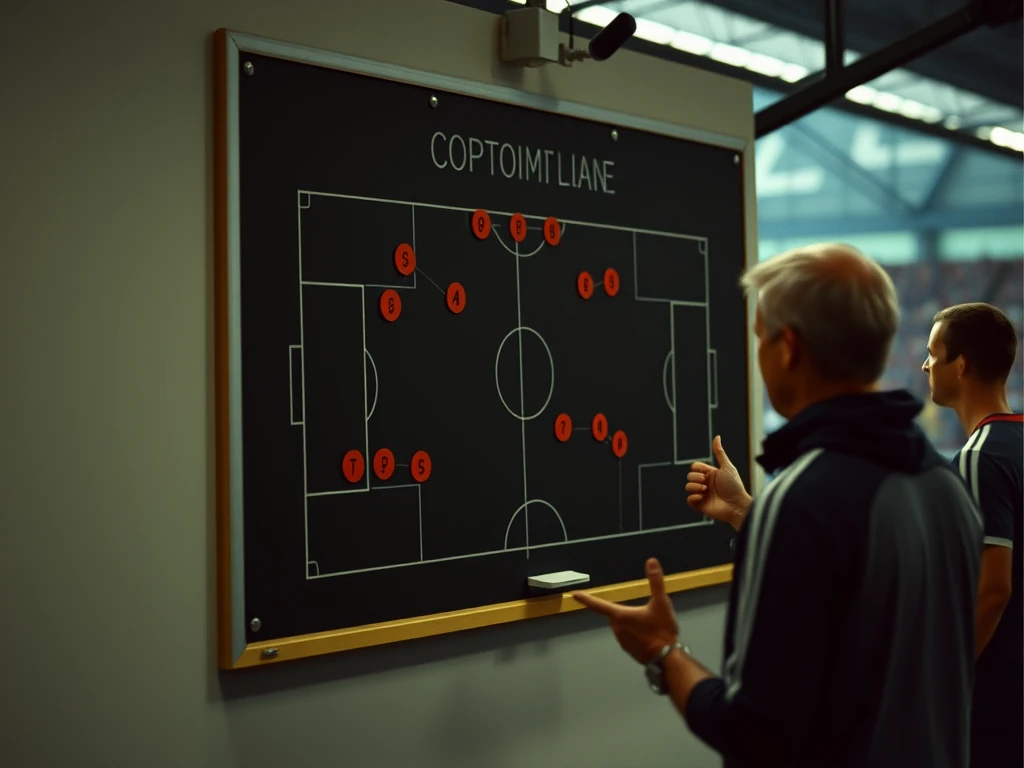
In recent fixtures, Canada has often found itself vulnerable at the back, particularly when facing high-pressing opposition. While the team's traditional 4-3-3 formation works well for offensive transitions, it often leaves the backline exposed when the midfield fails to track back swiftly. A shift to a more compact formation, such as a 4-2-3-1, could provide added security in defense. By placing two holding midfielders in front of the backline, Canada can better shield its defenders and maintain possession under pressure.
Furthermore, the integration of a more pronounced offside trap may help in mitigating the threat posed by fast attackers. Players like Alistair Johnston and Samuel Piette must communicate effectively to ensure that defensive lines remain synchronized, reducing the chances of one-on-one situations that have proven costly in recent matches.
Midfield Dynamics
Canada's midfield has been a mixed bag lately, oscillating between moments of brilliance and periods of stagnation. The absence of a creative playmaker has often left the team reliant on wing play, which can become predictable. To enhance creativity in the middle third, the coaching staff might consider deploying a more dynamic midfielder, such as Stephen Eustáquio, in a free role. This adjustment could enable him to exploit pockets of space and link up with forwards more effectively.
Moreover, encouraging midfielders to engage in overlapping runs can create confusion for opposing defenses, opening up channels for attackers like Jonathan David and Cyle Larin. This attacking fluidity will not only increase goal-scoring opportunities but also relieve pressure on the defense by maintaining possession higher up the pitch.
Attacking Cohesion and Finishing
While Canada has shown potential in attack, their finishing has often let them down in crucial moments. A tactical tweak that could enhance their goal-scoring capabilities is the introduction of a false nine role. By utilizing a player like Larin in this position, who can drop deeper to draw defenders out of position, Canada can create space for wingers to exploit. This approach not only confounds opposing defenses but also encourages midfield runners to break into the box, increasing the likelihood of goal-scoring chances.
Additionally, implementing a more structured approach to set pieces could yield dividends. Training sessions focusing on set-piece routines, both offensively and defensively, will bolster their effectiveness in these critical moments of the game. Given the physical attributes of several Canadian players, they should capitalize on this aspect to gain an edge over opponents.
Conclusion
As Canada navigates the road to FIFA World Cup 2026, tactical adjustments will be essential for maximizing their potential on the international stage. By refining their defensive structure, enhancing midfield dynamics, and improving attacking cohesion, Les Rouges can solidify their reputation as a competitive force. The upcoming friendlies provide a perfect opportunity to experiment with these tactical tweaks, ensuring that Canada is not just participants but contenders in the tournament.