
Tactical Trends in Recent Matches
Canada’s Les Rouges have showcased moments of brilliance in their recent fixtures, yet inconsistencies have left fans yearning for a more cohesive performance. Analyzing the tactical framework currently in use, it appears that while the team leans heavily on a high-pressing game, there are certain nuances that could be tweaked to maximize effectiveness.
The Current Formation
Currently, Canada seems to favor a 4-3-3 setup, which provides width and a solid foundation in midfield. However, this formation sometimes leaves the defense vulnerable to counter-attacks, particularly against teams that can quickly transition from defense to attack. The full-backs, while offering attacking support, often expose the central defenders when caught too high up the pitch.
Suggested Tweaks: A Shift to 4-2-3-1
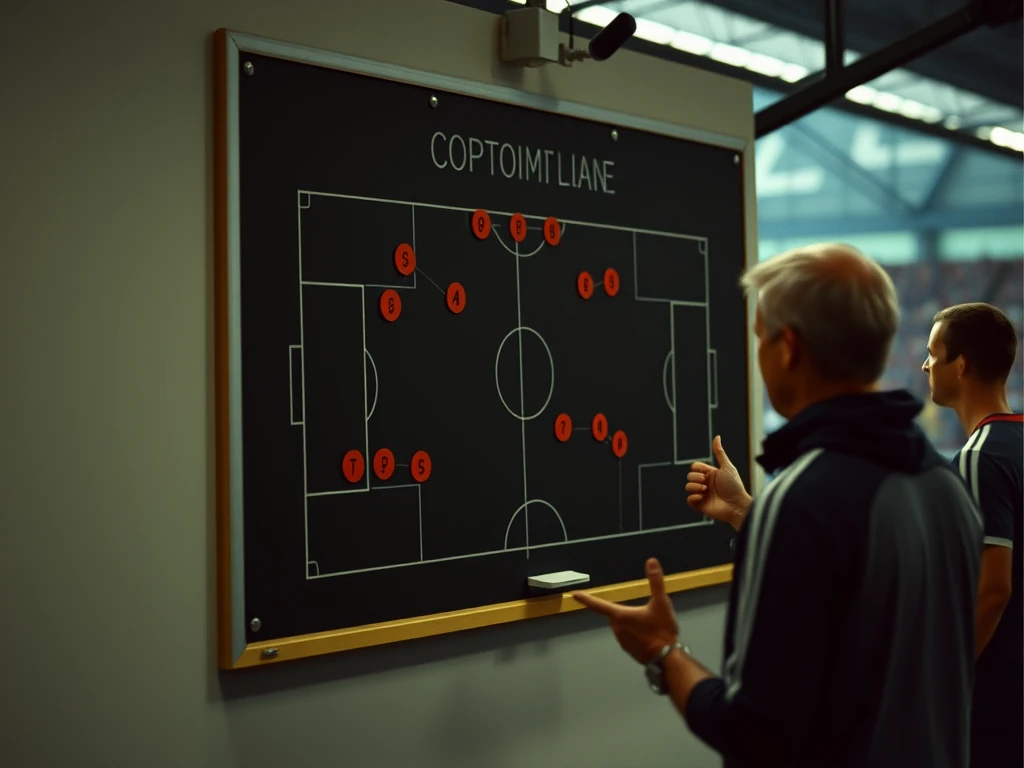
One potential adjustment could be transitioning to a 4-2-3-1 formation. This would allow for a more balanced approach, enabling two holding midfielders to shield the backline while still providing the attacking impetus required to break down opposition defenses. By utilizing two players in front of the defense, Canada can better absorb pressure and distribute the ball more effectively to their creative players further up the pitch.
Role of the Midfield
In a 4-2-3-1 setup, the role of the midfielders becomes crucial. Players like Stephen Eustáquio and Ismaël Koné can be pivotal as double pivot midfielders, ensuring that they control the tempo and provide a buffer against counter-attacks. Their ability to break up play and initiate forward movements will be essential, allowing the more advanced players-such as Alphonso Davies and Jonathan David-to exploit spaces in the opposition’s defense.
Defensive Solidity
Transitioning to a double pivot not only strengthens the midfield but also aids in defensive solidity. With two players tasked with holding the midfield line, it minimizes the risk of isolation for the center-backs. This setup could also encourage the full-backs to adopt a more conservative approach, allowing them to join the attack at opportune moments without leaving the backline exposed.
Utilizing Wing Play
In terms of wing play, Les Rouges have some of the most dynamic wingers in the CONCACAF region. By encouraging the wingers to stay wide and stretch the opposition, it opens up central channels for the attacking midfielder or striker. This strategic positioning will create more opportunities for through-balls and quick one-two plays, increasing the effectiveness of their attacking maneuvers.
Conclusion
As Canada gears up for the World Cup 2026, implementing a few tactical tweaks could significantly enhance their overall performance. By considering a shift to a 4-2-3-1 formation, reinforcing midfield control, and maximizing wing play, Les Rouges can look to solidify their standing and make a deeper impact on the world stage. With the right adjustments, Canada has the potential not just to compete but to thrive as they embark on this monumental journey.