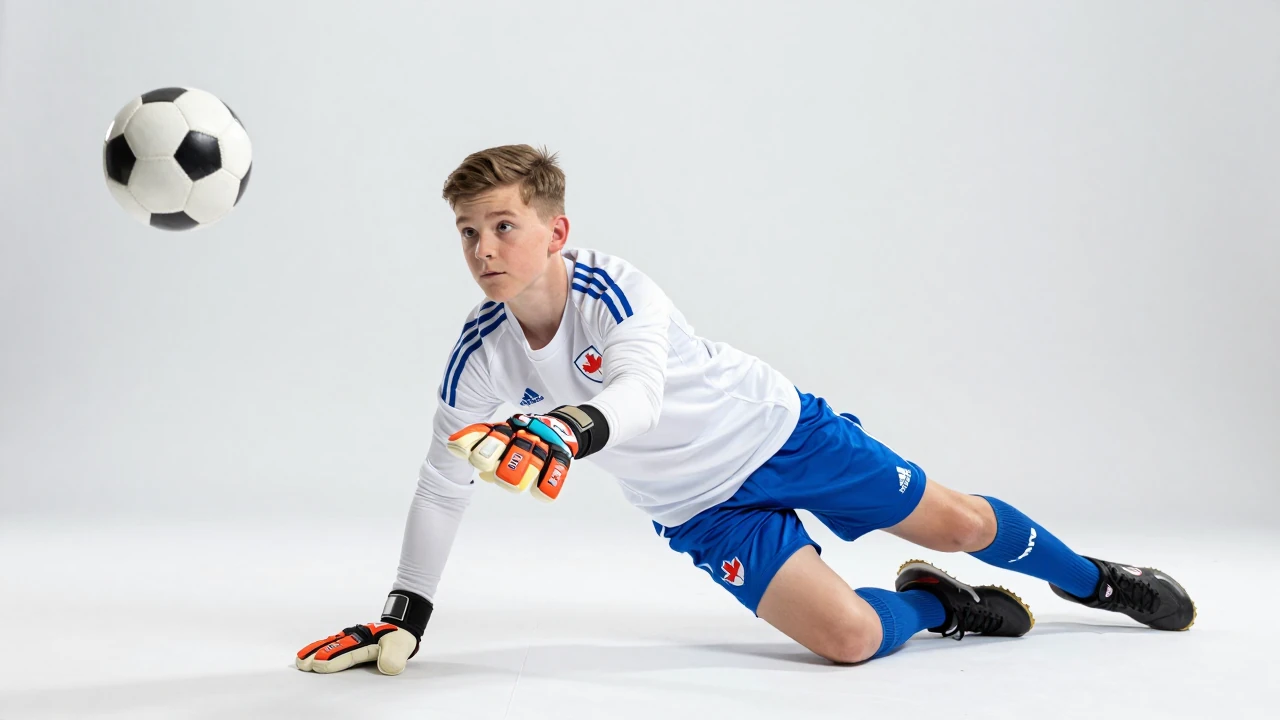

Refining Les Rouges: Tactical Adjustments for World Cup Readiness
As Canada gears up for their highly anticipated appearance in the FIFA World Cup 2026, the need to refine their tactical approach has never been more pressing. With a mixture of seasoned veterans and emerging talents, Les Rouges have shown glimpses of promise but also areas that require fine-tuning to ensure they can compete effectively against the world's best teams.
Recent Form: A Mixed Bag
In recent matches, Canada has showcased both resilience and creativity. However, inconsistencies in their defensive organization and a lack of fluidity in the attacking third have been evident. The team has often relied heavily on individual brilliance from players like Alphonso Davies and Jonathan David, but for sustained success, a more cohesive tactical framework is necessary.
Defensive Organization
One key area for improvement is defensive organization. Canada has occasionally been caught out of position, leading to goal-scoring opportunities for opponents. A shift towards a more compact defensive shape, perhaps transitioning to a 4-2-3-1 formation, could provide greater stability. By employing two holding midfielders, Canada can shield the backline more effectively, reducing the risk of counter-attacks while allowing fullbacks to push forward when the opportunity arises.
Midfield Dynamics
The midfield has been a battleground, with Canada often struggling to retain possession and dictate the tempo. To address this, integrating a more dynamic midfield trio with a focus on ball retention and quick transitions is essential. A combination of a deep-lying playmaker alongside two box-to-box midfielders can create a balance between defensive duties and offensive support. This would not only enhance ball security but also facilitate quicker transitions from defense to attack, allowing Les Rouges to exploit spaces left by opposing defenses.
Attacking Fluidity
In the attacking third, Canada's reliance on wide play has been evident. While utilizing the speed and dribbling ability of players like Davies is a strength, diversifying the attacking approach will keep opponents guessing. Incorporating more central runs and interchanging positions among forwards can create openings and make it difficult for defenders to mark players effectively. Encouraging David to drop deeper and link play could also help bring other attackers into the game, allowing for a more fluid and unpredictable attack.
Set-Piece Strategy
Set-pieces can be a game-changer in tight matches, and enhancing Canada’s effectiveness in this area should not be overlooked. Focusing on both defensive and offensive set-pieces can yield crucial goals while also minimizing the risk of conceding. Training sessions should emphasize varied routines that take advantage of the aerial strength of taller players while also incorporating short corners and quick free-kicks to catch defenses off guard.
Conclusion: Preparing for the Challenge Ahead
As the countdown to the World Cup continues, Canada must embrace these tactical adjustments to refine their identity as a team. By solidifying defensive structures, enhancing midfield control, diversifying attacking strategies, and improving set-piece execution, Les Rouges can elevate their game and compete with the world's elite. The journey to the World Cup is about continual evolution, and with the right tweaks, Canada can transform potential into performance on the grandest stage.