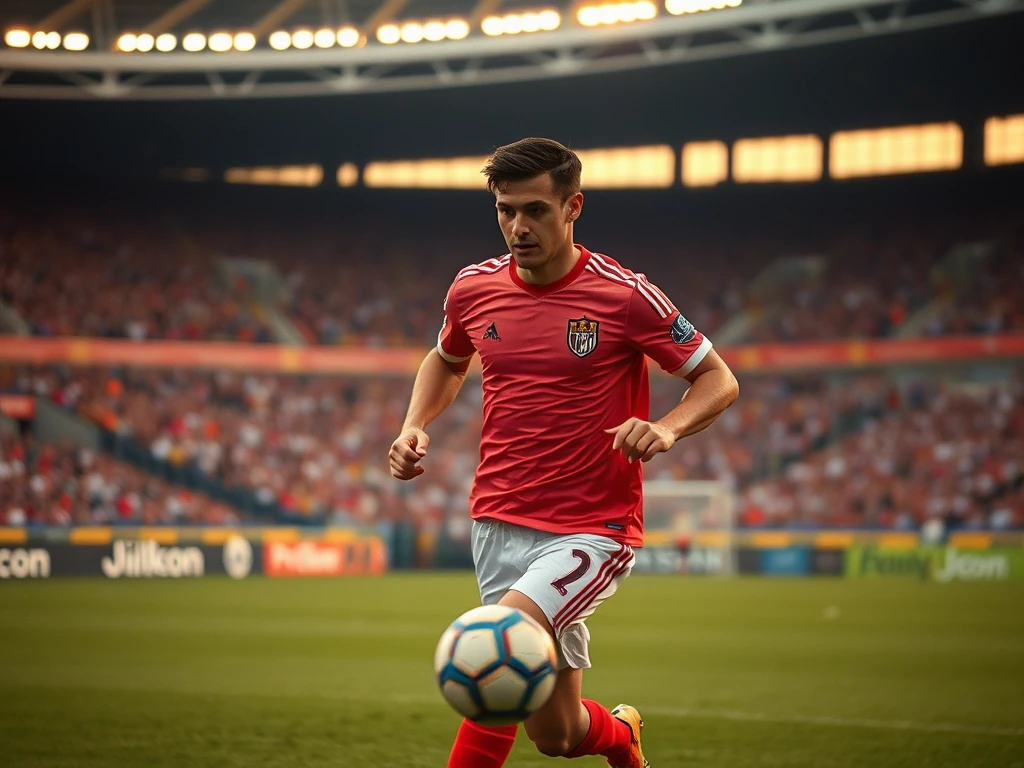

The news that Alphonso Davies will miss Canada's World Cup opener is a devastating blow for the co-hosts. As the face of Canadian soccer, his leadership and skill on the pitch are irreplaceable. The team now faces a daunting challenge as they prepare to compete on the world stage without their star player. This absence not only affects the tactical setup but also the morale of a nation that has rallied around their young captain.
The Impact of Davies' Injury
Alphonso Davies has been pivotal for Canada, not only as a player but also as an emblem of the country's rising footballing stature. His ability to contribute on both ends of the pitch-defensively and offensively-has made him a standout player. The injury that will keep him sidelined raises questions about how Coach John Herdman will adjust the team’s strategy.
Without Davies, Canada loses a dynamic wingback capable of initiating attacks and providing crucial width. His speed and dribbling ability often stretch defenses, creating space for teammates. The coaching staff will need to decide whether to alter the formation or rely on other players to step up in his absence.
- Key Attributes Lost:
- Exceptional speed and dribbling
- Leadership and experience
- Ability to create goal-scoring opportunities
This injury may lead to the insertion of a less experienced player or a tactical shift that could dampen the team's attacking prowess. It's a significant gamble, especially considering the competitive nature of the tournament.
Tactical Adjustments Without Davies
John Herdman now faces the critical task of rethinking his game plan for the opening match against a formidable opponent. The absence of Davies means that he must find a way to compensate for the loss of his most versatile player. This could involve shifting to a more conservative formation to ensure defensive solidity or promoting players like Sam Adekugbe or Richie Laryea to fill the void.
Canada might adopt a more central approach in their play, focusing on ball possession and short passing to retain control. However, this tactic could limit their counter-attacking capabilities, which often relied on Davies' speed down the flanks. The integration of players like Jonathan David and Cyle Larin will be vital to maintain offensive threats.
- Potential Tactical Changes:
- Shift from a 3-5-2 to a 4-4-2 formation
- Emphasis on central play and possession
- Increased reliance on wing players to provide depth
The effectiveness of these changes will largely depend on how quickly the team can adapt. The first match will be a telling sign of their resilience in the face of adversity.
What This Means for Canada
Fans are understandably disheartened by the news of Davies' absence. He is not just a player; he is a symbol of hope for many Canadian soccer enthusiasts who have long awaited this moment on the global stage. His presence in the squad brought an air of confidence, and now supporters must grapple with the uncertainty of what lies ahead.
In the short term, Canada needs to rally around their remaining players. The focus must shift to collective performance rather than relying on individual brilliance. Stephen Eustáquio, Atiba Hutchinson, and Tajon Buchanan will have to elevate their games to fill the leadership void left by Davies. It’s a critical moment in Canadian soccer history; how the players respond can define their World Cup journey.
Fan Reactions: A Mixed Bag of Emotions
Social media has been ablaze since the announcement of Davies' injury, with fans expressing a wide range of emotions from disappointment to cautious optimism. Many supporters took to platforms like Twitter to share their hopes for the team while acknowledging the tough road ahead.
- Common Fan Sentiments:
- Disappointment over losing a star player
- Hope that the team can adapt and surprise
- Calls for unity and support for the remaining squad members
Critics have pointed out that this setback could serve as a wake-up call for Canada, pushing the team to develop a more robust game plan that doesn’t rely on a single player. Fans are left hoping this adversity can inspire a new level of teamwork and collaboration.
The Wider Championship Picture
As the World Cup unfolds, other teams will be closely watching how Canada performs without Davies. The loss of such a key player can dramatically shift the competitive landscape. Teams like Belgium and Brazil, who Canada may face, will likely approach the game with increased confidence, knowing they won’t have to contend with one of the tournament's most explosive talents.
The group dynamics are crucial. Canada must not only focus on their immediate opponents but also consider how this injury affects their standings in the group. A strong showing is essential to keep their hopes alive for the knockout stages. Other young talents will need to seize the moment to make their mark in the tournament.
- Potential Group Dynamics:
- Increased pressure on other attacking players
- More focus on defensive strategies
- Need for quick adaptation to new tactics
What's Next
Looking ahead, Canada’s first match will be critical. It will test not only the tactical adjustments made by Herdman but also the psychological resilience of the squad. Fans will be watching closely, hopeful that the team can rise to the occasion and deliver a performance worthy of their potential.
The focus will be on how quickly the players can gel and whether they can create a new strategy that compensates for the loss of Alphonso Davies. If they can channel the disappointment into motivation, it might just be the catalyst for an unforgettable World Cup run. As the tournament progresses, the spotlight will be on Canada to see how they navigate this challenge and make their mark on the world stage.