 Canada Hub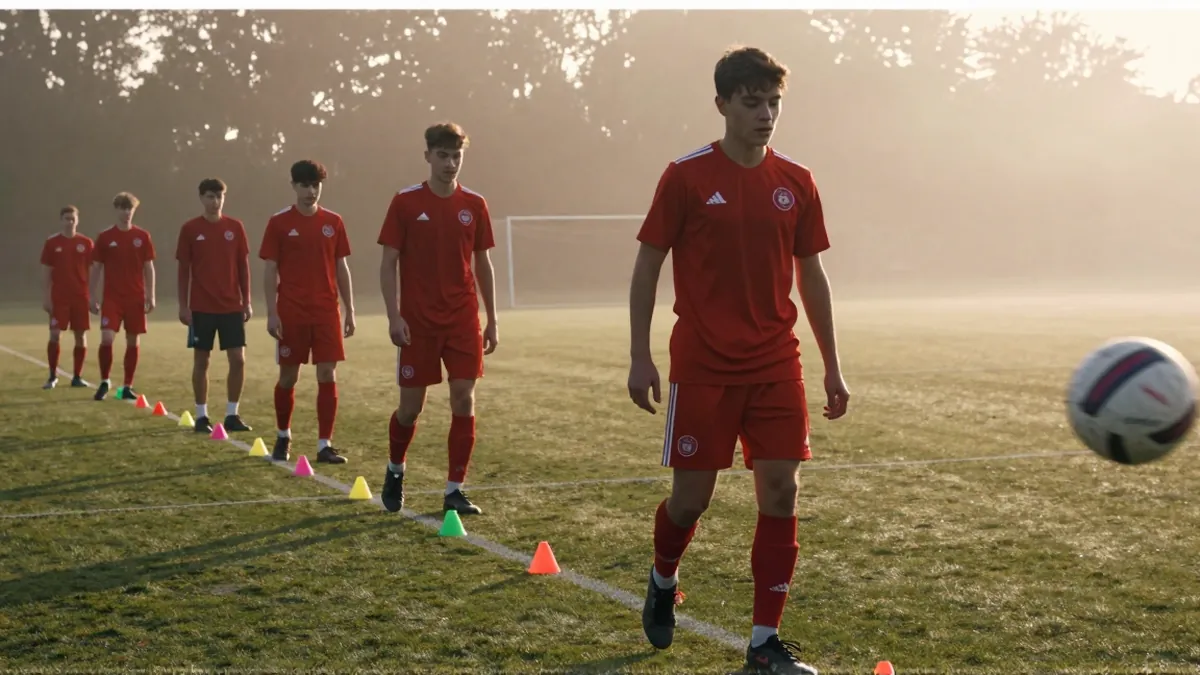
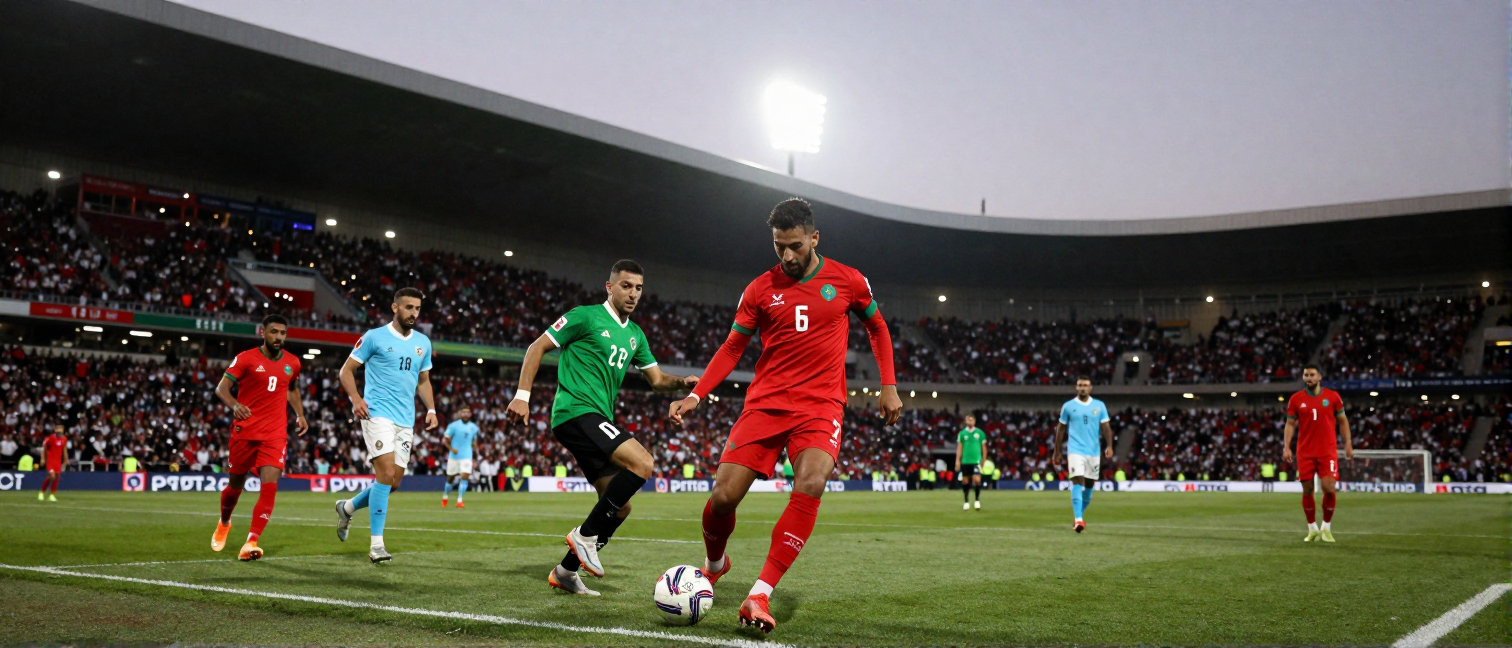
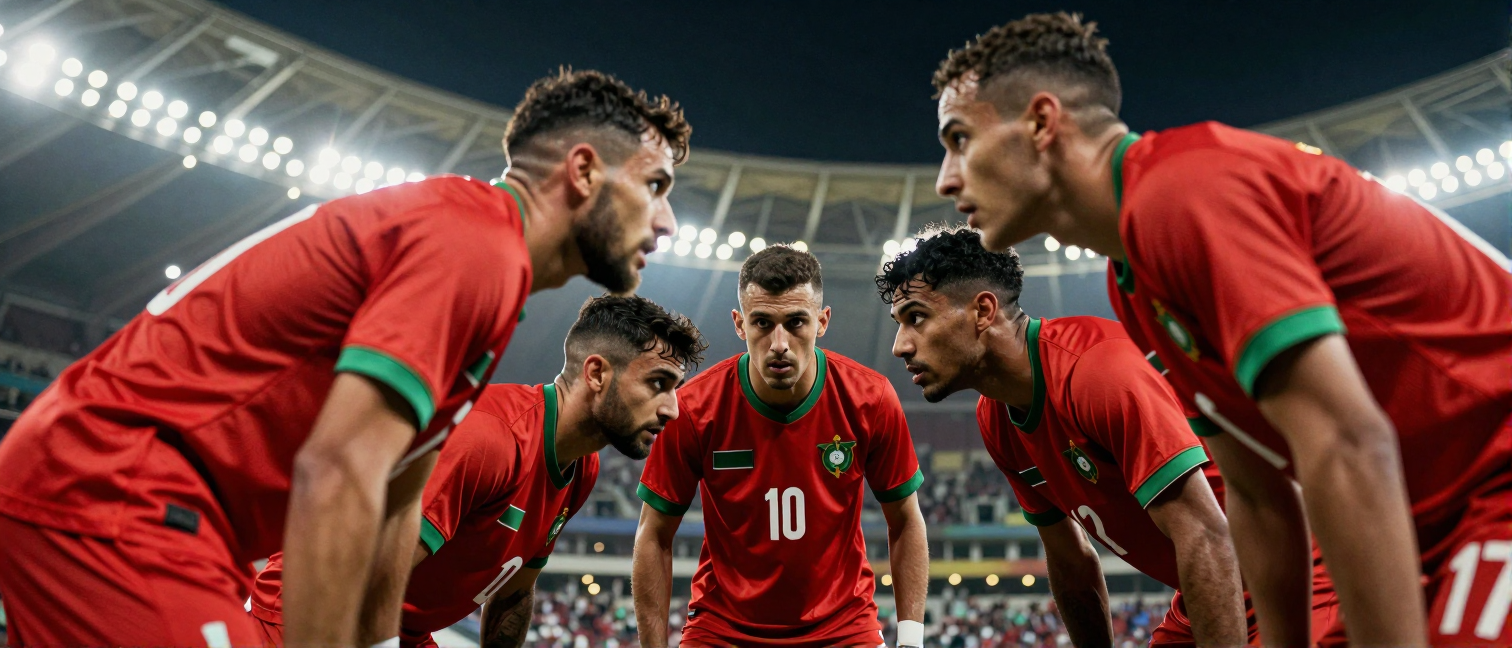
Canada’s national side sparked a wave of excitement at the 2026 FIFA World Cup, and CEO Kevin Blue insists that the fervor must translate into enduring backing for the program. The team’s 3‑0 loss to Morocco on July 6 ended a historic run that featured the nation’s first knockout‑stage win, and Blue used the moment to outline a long‑term growth plan.
How did the fans react?
Blue recalled a motorcade in Vancouver where crowds lined the streets, honked horns and waved flags as the bus passed. He described the scene as “breathtaking,” noting that similar enthusiasm erupted in Toronto. The streets transformed into a sea of red and white, giving players a palpable boost. That energy helped Canada secure its first World Cup point, first win and first knockout‑stage victory, milestones that still echo across the country.
What does the CEO see as the next steps?
According to Blue, the 2026 tournament was always meant to be a catalyst, not a finish line. He announced plans for a national training centre and stressed the need to strengthen youth pathways so promising athletes can reach the senior squads. “We have professional clubs in many communities,” he said, urging fans to attend matches and watch games on TV now that the spotlight has shifted.
Which players are still sidelined?
The squad heads into the next friendly windows with A. Jones and I. Koné on the injury list, limiting depth on the flanks. Despite the setbacks, Canada’s top scorer this season, J. David, has already netted three goals in five appearances, offering a bright spot for the attacking line‑up.
How does recent form look?
Canada entered the World Cup on the back of an unbeaten five‑match stretch (W‑D‑D‑D‑D), with the most recent result a 2‑0 victory over Venezuela on November 19, 2025. That run demonstrated resilience and hinted at the squad’s capacity to compete against stronger opposition, a narrative Blue hopes to build on through domestic friendlies scheduled for the coming months.
What’s the broader legacy?
Blue believes the tournament’s legacy will manifest in multiple ways: a stronger domestic league, increased participation at the grassroots level, and a more engaged fan base. He warned that without sustained effort, the excitement could fade. “The World Cup in 2026 was always positioned to be a catalyst,” he emphasized, urging stakeholders to keep the momentum alive.
What’s on the calendar?
Canada will host a series of home friendlies for both the men’s and women’s teams later this year. Blue expects stadiums to fill with supporters who discovered the sport during the World Cup, turning casual interest into regular attendance. The upcoming matches will serve as a litmus test for the lasting impact of the tournament’s buzz.
The CEO’s message is clear: the passion witnessed across Vancouver, Toronto and beyond must be harnessed to build a sustainable soccer culture. If fans continue to fill streets and stadiums, Canada could see a new era of growth that extends far beyond the 2026 World Cup.