 Canada Hub
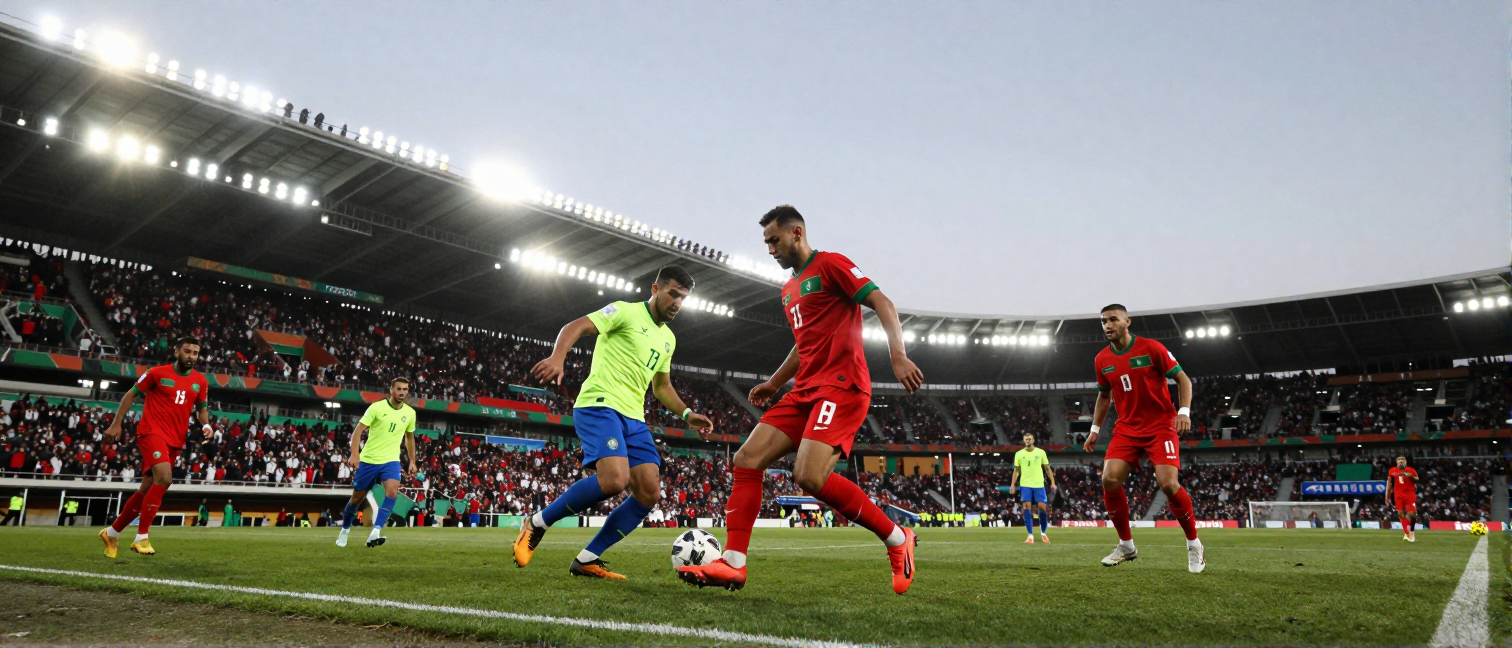
Canada’s men’s national team stunned the world on July 3, 2026, when they booked a historic round‑of‑16 spot after a 2‑1 win over Morocco, the furthest the country has ever progressed in a World Cup.
How did Canada pull off the upset?
Guided by American coach Jesse Marsch, Canada entered the tournament as underdogs. They earned their first ever World Cup point with a 1‑1 draw against Croatia, then celebrated a maiden victory over Qatar, 6‑0, in Vancouver. The breakthrough came on June 30 when Ismaël Koné’s early strike gave Canada a 1‑0 lead, and despite a late Moroccan equaliser, Canada advanced on penalties. The win marked the nation’s first knockout‑stage triumph.
Why does this matter for Canadian soccer?
For decades, soccer has lived in the shadow of hockey and the NBA. Prime Minister Mark Carney, the only North‑American host leader to attend matches, praised the squad’s character after the Qatar win, saying the world was watching. Sports Minister Adam van Koeverden noted the tournament helped Canada “grow up as a middle power” in football. Streets in Toronto and Vancouver erupted with colour‑filled marches, and local bars buzzed with chants, hinting at a lasting fanbase boost.
What challenges remain?
The triumph was tempered by tragedy when star midfielder Ismaël Koné suffered a broken leg against Qatar. Canada’s defensive resilience was tested against Morocco’s pace, and a 2‑0 loss ended their run. Yet the team left the tournament unbeaten in their last five matches, posting a recent form of 1W‑4D‑0L, and their latest result was a 2‑0 victory over Venezuela on November 19, 2025. Those numbers underline a squad on the rise, ready to build on the momentum.
What’s next for Canada?
With the World Cup now behind them, Canada looks to translate the excitement into domestic growth. Youth academies are receiving increased funding, and MLS clubs are scouting Canadian talent more aggressively. Marsch’s tactical flexibility—shifting from a high‑press to a compact block—earned praise and may become a template for future squads. The hope is that the surge in viewership will translate into higher attendance at home matches and a stronger pipeline for the next generation.
The 2026 World Cup may have closed, but Canada’s soccer story is just beginning. Fans across the country are already planning the next road trip to see their heroes, and the national team’s newfound confidence suggests they’ll be back fighting for glory soon.